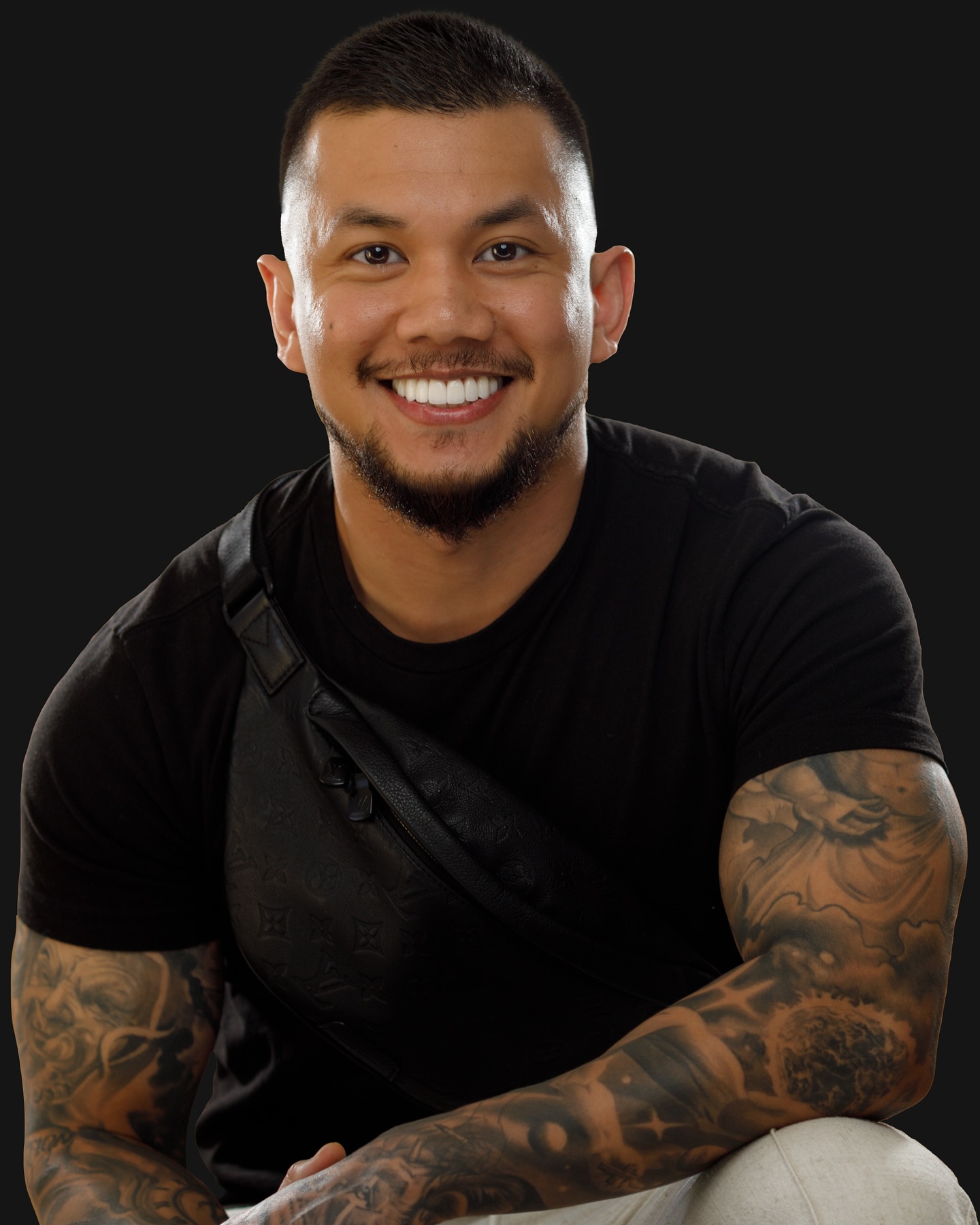
What It Actually Means to Be a Man Right Now | Men's Identity
What It Actually Means to Be a Man Right Now
This isn't for guys who want to blame everyone else for their problems. This isn't for men who think the world owes them something because they showed up. This isn't for dudes scrolling Instagram looking for motivation porn to make them feel better about doing nothing.
This is for men who know something's off but can't name it. For guys who feel like they're wearing a costume that doesn't fit anymore. For brothers who look in the mirror and don't recognize the man staring back. For men who built what they thought they wanted and still feel empty. For guys who know they're capable of more but can't figure out why they keep getting in their own way.
You wake up every day feeling like you're playing a role someone else wrote for you. Your dad's version of what a man should be. Your wife's expectations. Society's mixed messages. The internet's endless opinions about masculinity. You're drowning in everyone else's definitions of what makes a man, and you've lost track of your own.
You work hard but feel hollow. You provide but don't feel valued. You try to be strong but carry everything alone. You want to lead but don't trust your own judgment anymore. You see other guys who seem to have it figured out and wonder what's wrong with you. You're tired of pretending everything's fine when it's not.
The worst part? You feel guilty for even questioning it. Like wanting more makes you ungrateful. Like admitting you're lost makes you weak.
I get it, bro. Because I was drowning too.
December 2015. My best friend's little brother Tommy was gone. Twenty-two years old. Just like that. I was supposed to be the leader. The Marine. The one who kept everyone safe. And I failed.
That loss broke something in me I didn't know how to fix. I threw myself into helping other men because if I couldn't save Tommy, maybe I could save someone else. Started coaching. Built a business. From the outside, it looked like I was crushing it.
But every time things got good, I'd find a way to mess it up. Success felt wrong. Like I didn't deserve it when Tommy couldn't have it. I'd sabotage deals. Turn down opportunities. Keep myself small because going big felt like betraying my brother.
Then 2020 hit and everything fell apart at once. Lost my job at Best Buy. Wife was pregnant with our second kid. COVID shut everything down. Then I totaled our car in an accident that should have killed me.
I'm sitting in that hospital bed, broke and broken, thinking this is what I deserved. This is what happens when you try to be something you're not.
But here's what I learned in that dark moment. The problem wasn't that I was trying to be something I wasn't. The problem was I was trying to be everything everyone else needed me to be and nothing I actually was.
I was living by other people's blueprints for manhood. My dad's silent strength. The Corps' rigid discipline. Society's provider expectations. Even my own guilt about what a good man should do after losing someone.
None of it was me.
Real men's identity coaching isn't about teaching you to be more alpha or more sensitive or more anything. It's about teaching you to be more you. The version of you that exists underneath all the roles and expectations and inherited definitions of what a man should be.
I had to learn this the hard way. Lying in that hospital bed, I realized I had two choices. Keep living everyone else's version of my life, or start building my own.
I chose to build.
But building meant getting honest about who I actually was versus who I thought I should be. It meant admitting that my definition of strength was keeping me weak. That my idea of leadership was actually control. That my version of providing was really hiding.
The shift started small. Instead of asking "What would a good man do?" I started asking "What would Phil do?" Instead of trying to fit into some template of masculinity, I started defining it for myself.
That meant having hard conversations with my wife about what I actually needed, not just what I thought I should provide. It meant being honest with my kids about my struggles instead of pretending to have all the answers. It meant running my business like Phil, not like some version of an entrepreneur I thought I should be.
It meant accepting that being a man isn't about meeting everyone else's expectations. It's about knowing who you are and having the courage to be that person, even when it's inconvenient for others.
The work I do now with men isn't about fixing what's broken. It's about uncovering what was always there. Every guy I work with has the answer inside him already. He's just been trained to ignore it in favor of everyone else's opinions.
Real men's identity coaching strips away the noise. The should-bes and supposed-tos. The inherited definitions and cultural programming. It gets down to the core question: Who are you when no one's watching? Who are you when you don't have to perform or provide or protect? Who are you just because you exist?
That work changed everything. Not just for me, but for the hundreds of men I've worked with since. The business that almost killed me? It's done over $3 million now. But more than that, I sleep at night. I look in the mirror and recognize the guy staring back. I'm not perfect, but I'm real.
My marriage is stronger because I stopped trying to be the husband I thought she wanted and started being the man I actually am. My kids respect me more because I stopped pretending to have it all figured out and started showing them what it looks like to figure it out as you go.
The men in my program tell me the same thing. They stop feeling like actors in their own lives. They start making decisions that actually fit who they are instead of who they think they should be. Their relationships get better because they're finally bringing their real selves to the table.
Here's what I know after years of this work: Most men aren't lost. They're buried. Buried under expectations and roles and definitions that were never theirs to begin with. The real work of men's identity coaching isn't teaching you to be a man. It's helping you remember the man you already are.
You don't need another program telling you how to be masculine. You need someone to help you excavate your own version of it. You don't need more rules about what real men do. You need permission to define that for yourself.
The world will always have opinions about what kind of man you should be. Your job isn't to meet those expectations. Your job is to know who you are so clearly that other people's opinions become background noise.
That's not selfish. That's necessary. Because the world doesn't need more men trying to be what they think they should be. It needs more men who know exactly who they are and aren't afraid to be it.
I'm not telling you to go do what I did. I'm not telling you that my way is the right way. I'm telling you that your way is the right way, and most men never give themselves permission to find it.
The question isn't whether you're man enough. The question is whether you're you enough.
Left foot. Right foot.
Much love as always.
Phil. ⚔️
If you're reading this and something hit, that's not an accident. That's the part of you that already knows it's time.
DM me on Instagram — @philbohol — and tell me what landed. I read every message.
If you're ready to stop circling and actually build, apply to work with me 1:1 here: https://philbohol.com/command-chaos
Left foot. Right foot. Let's go.